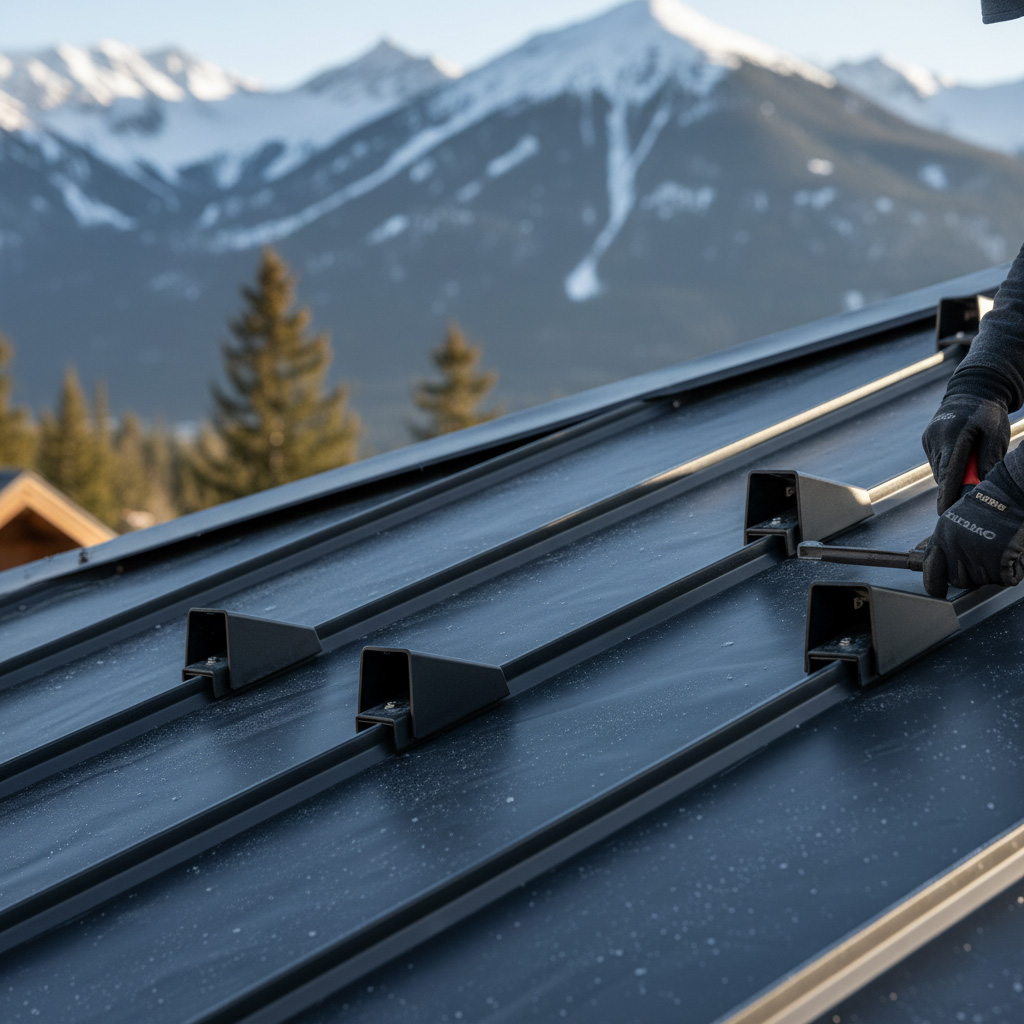


⚡ TL;DR: Learn pro secrets for thorough roof inspections in Colorado Springs, CO, like granule loss tests, flashing checks, attic moisture mapping, and wind indicators to spot hidden damage early.
📋 What You’ll Learn
In this guide to roof inspections in Colorado Springs, CO, you'll uncover pro secrets for spotting hail damage, hidden leaks, wind wear, and altitude effects that basic checks ignore.
- Grasp why hail and high altitude fool inspections in Colorado Springs, exposing how local weather hides roof damage and causes unexpected failures during storms.
- Master the granule loss test pros swear by to reveal hidden shingle wear early, preventing leaks and extending your roof's life before issues escalate.
- Target flashings and valleys as storm weak spots often overlooked, where water intrusions start in Colorado Springs' windy, hail-prone conditions.
- Map attic moisture to find invisible leaks using techniques that detect mold risks and structural threats pros check beyond surface views.
- Identify wind damage signs walk-arounds miss so your Colorado Springs roof resists gusts, avoiding costly surprises like the $15K hail case study.
📖 Reading time: 7 min
✍️ Author expertise: Colorado Springs roofer with 20 years of field inspections on hail-damaged roofs.
Ever wake up to a puddle in your attic after that brutal Colorado Springs hailstorm, wondering how your "professional" roof inspection missed the massive leak?
You're not alone. Local roofers pocket fat checks while hiding inspection tricks that spot hidden damage before it costs you thousands in emergency repairs.
Today, I'm pulling back the curtain on those guarded secrets tailored to our high-altitude weather battles right here in Colorado Springs.
Keep reading to arm yourself with the intel that keeps homeowners one step ahead of the next big storm.

Why Colorado Springs' Hail and High Altitude Fool Basic Inspections
Picture this: a softball-sized hailstone smashes your roof during one of our wild spring storms. Basic inspections? They just spot the obvious dents. But up here at 6,000 feet, the real killer hides deeper.
High altitude amps up UV rays by 20 percent. Shingles lose granules faster than in Denver or Pueblo. Lazy roofers walk the roof, nod, and call it good. They miss the subtle bruising hail leaves behind.
- Hail compresses shingle mats without cracking them right away.
- Altitude thins the air, speeding wind erosion on edges.
- Sun bakes seals dry, cracking them before leaks show.
Standard checks skip these. Result? You pay for patchwork fixes later. Pros know better, but most won't tell you.
Secret #1: The Granule Loss Test That Reveals Hidden Wear
Picture this: hailstones pummeling your shingles like baseballs in batting practice. Those colorful granules – the grit shielding your roof from UV rays and impacts – start vanishing fast up here at 6,000 feet.
Most inspectors just eyeball it from the ground. They miss the real story. You can catch it with a simple granule loss test that screams "replace me now."
How to Run the Granule Loss Test Yourself
- Grab a magnet from your fridge. Run it slowly over a 10x10 area downhill from the roof peak.
- Watch the granules stick. Less than a half-cup means trouble – your asphalt layer's exposed and cracking under hail abuse.
- Bonus check: peer at your gutters. A rainbow of lost granules down there? That's your roof shedding armor after every storm.
Why hide this? Lazy pros charge $200 for a glance that skips it. Spot this early in Colorado Springs, and you dodge a full tear-off billed at $10K plus.
Next storm hits. Test it. Save your wallet.
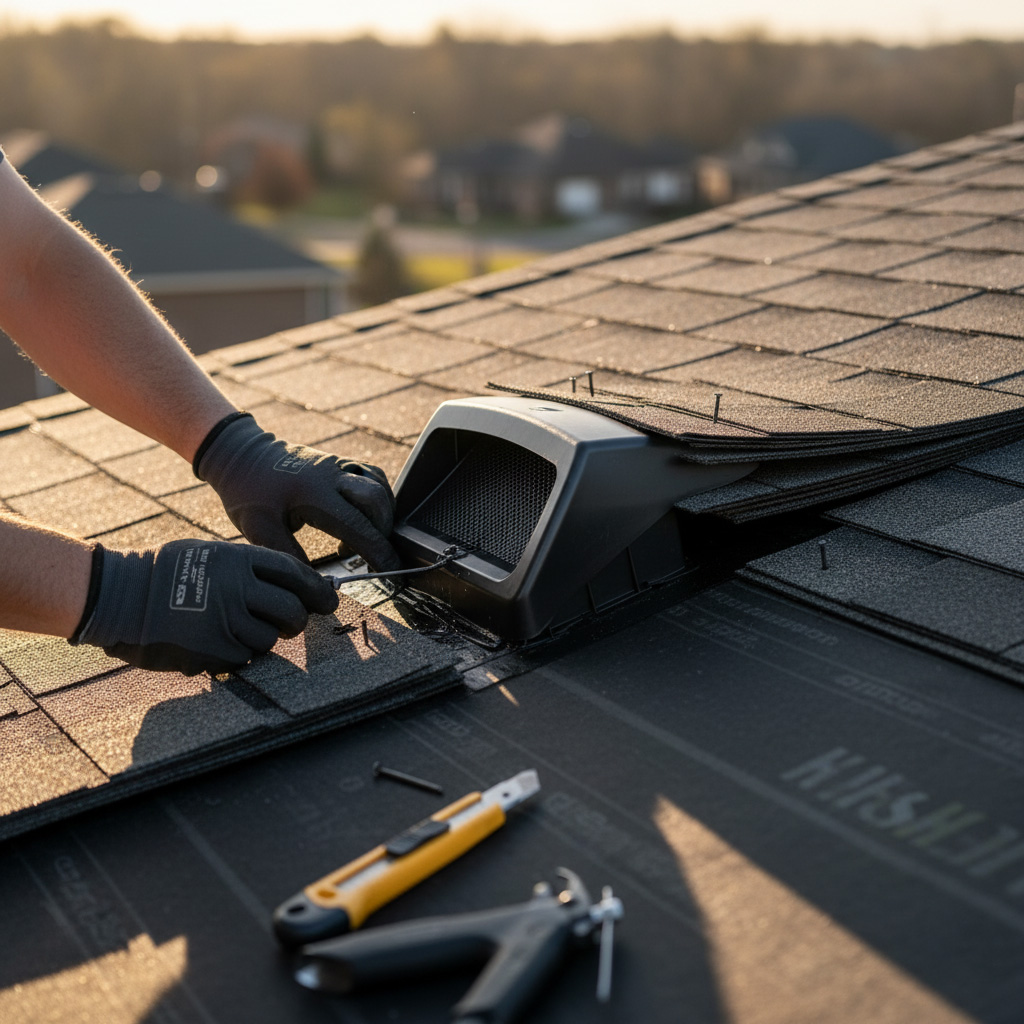
Secret #2: Flashings and Valleys – Overlooked Storm Weak Spots
Flashings hug your chimney, vents, and skylights like a metal shield. Valleys? Those V-shaped troughs where roof slopes crash together and funnel every drop of hail-melted water. In Colorado Springs' wild winds and golf-ball-sized hail, these spots take the brunt but get ignored on quick walkthroughs.
Here's the pro trick: Climb up and pry gently at flashing edges with a flat tool. Look for lifted seams or rust creeping underneath. Valleys hide granule buildup that clogs flow, turning minor dents into full breaches.
Red Flags You Can't Miss
- Curling or missing flashing tabs – hail pops them loose fast.
- Cracked sealant in valleys, often black and brittle after UV pounding.
- Stains or mossy streaks running downhill from these zones.
Skip this check, and water sneaks in during the next norther. Spot it early, save your interior from rot that basic roofers swear "looks fine" from the ground.
Secret #4: Wind Damage Indicators Pros Skip on Walk-Arounds
Colorado Springs winds don't mess around. They rip across the plains at 60+ mph, lifting shingles before hail even shows up. Most inspectors stick to the ground, missing the real clues up high.
Grab binoculars. Scan your ridge line for loose caps or splits. Wind sneaks under there first, popping them like corks.
Spot These Wind Giveaways Yourself
- Creased shingles: Sharp folds from uplift pressure. Pros ignore if not dangling.
- Sidewall edges lifting: Check gables. Tiny lifts mean full rows ready to fly.
- Fishmouthing: Asphalt bubbling up. High-altitude gusts warp them fast.
Climb a ladder safely. Tug gently on edges. If it gives more than a quarter inch, your roof's screaming for attention.
Skip this, and next storm turns minor wear into a total strip-off job.
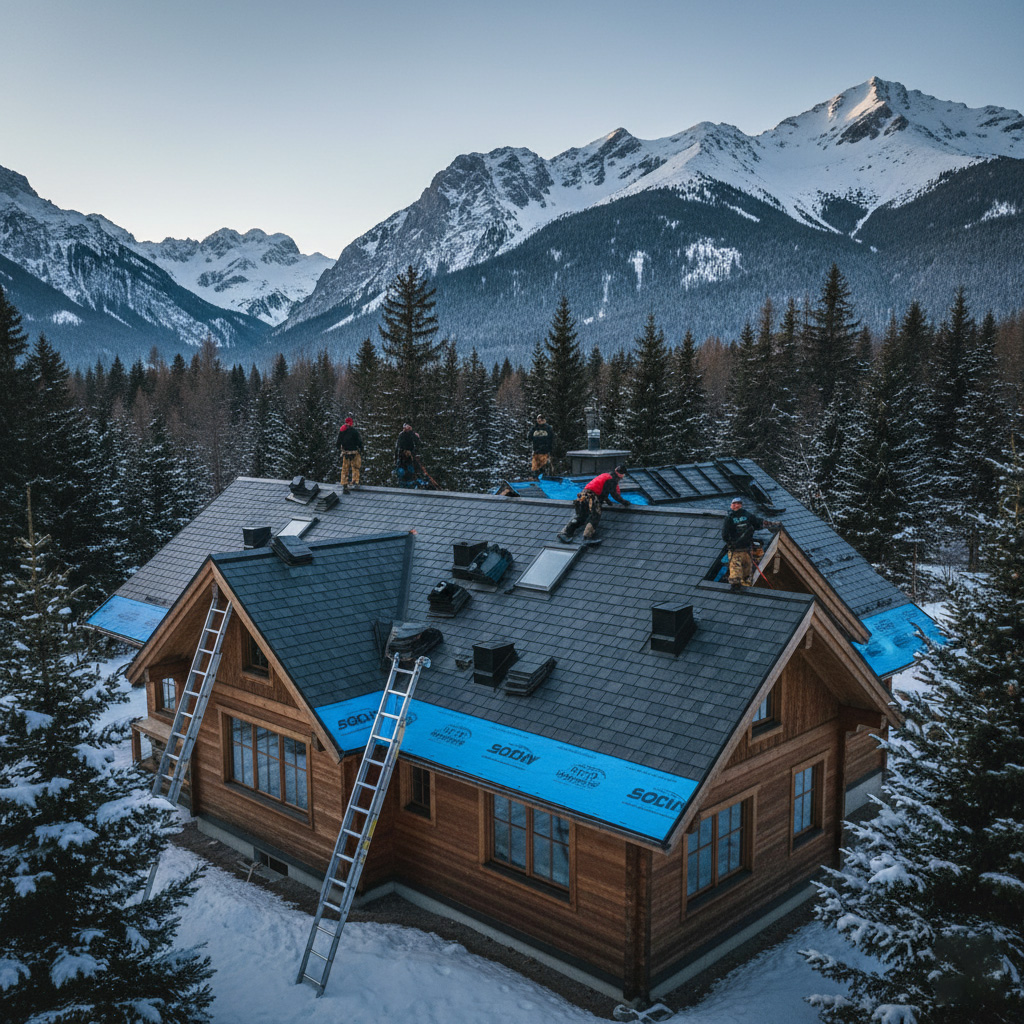
Secret #4: Wind Damage Indicators Pros Skip on Walk-Arounds
Colorado Springs gusts hit 60 mph without warning, thanks to those mountain funnels. Basic roofers stick to ground-level peeks and miss the real culprits up top.
Wind doesn't just rip shingles off. It creeps in, weakening your roof over time.
Spot These Hidden Wind Clues Yourself
- Shingle creases: Sharp folds from gusts bending tabs. Pros ignore them on quick scans.
- Fishmouthing: Edges curling up like puckered lips. Signals seal failure from wind pressure.
- Ridge cap lifts: Tiny gaps at the peak. Wind sneaks under, starting leaks months later.
- Granule trails: Streaks down slopes from wind-abraded surfaces.
Grab binoculars for a close-up from the ground. Circle your house, note every ridge and valley.
Found one? Snap photos. That's your proof to demand a real fix, not a band-aid.
Case Study: Uncovering a $15K Hail Catastrophe Before Collapse
Picture this: Mike, a Colorado Springs homeowner, just survived a golf-ball-sized hail barrage last summer. His "quick walk-around" from a local roofer said everything looked fine. But puddles started forming in his kitchen weeks later.
We got the call. Applying our hidden checks, granule loss tests on the south slope lit up like a Christmas tree. Flashings around the chimney? Dented and peeling back, ready to funnel water straight inside.
Key Damage Spots We Exposed
- Attic moisture mapping: Pinpointed a slow drip from valleys, invisible from the ground.
- Wind indicators: Shingle edges lifted high, signaling storm uplift ignored in basic scans.
- Hidden hail bruises under granule layers, totaling $15,000 in prevented repairs.
Mike dodged a full roof replacement. That early catch saved his house from caving in during the next wind event. Pros skip these steps to rush jobs. You won't.
Final Words
You've got the inside scoop now. No more getting snowed by half-baked inspections in Colorado Springs. Put these secrets to work yourself, or hand them to your roofer and demand they prove their chops.
Spot granule loss? Check those flashings. Map attic moisture before the next hail bomb hits.
Quick Action Plan
- Grab a ladder this weekend. Run the granule test on your shingles.
- Peek in the attic. Hunt for wet spots with a flashlight.
- Call a pro who knows high-altitude tricks. Book a real Roof Inspection today.
Act fast. That hidden damage won't wait for your roof to cave in.
People Also Ask
How often should roofs in Colorado Springs be inspected due to hail risks?
In Colorado Springs, high hail frequency means annual inspections are essential, especially after major storms. Pros recommend post-hail checks to catch granule loss and hidden cracks early. Skipping them risks costly repairs from accelerated wear at high altitudes.
What does granule loss on shingles indicate during a roof inspection?
Granule loss reveals hidden wear from UV exposure and hail, common in Colorado Springs' intense sun and storms. Pros perform a simple water test to expose bare spots that signal impending failure. Addressing it early prevents leaks and extends shingle life significantly.
Why are flashings and valleys overlooked in basic roof inspections in Colorado Springs?
Flashings and valleys are storm weak spots where water pools, amplified by Colorado's heavy snow and wind. Basic walk-arounds miss corrosion or cracks here, leading to major leaks. Expert inspections use ladders and probes to uncover these before they cause interior damage.
How do pros detect invisible attic leaks from roof issues in high-altitude areas?
Attic moisture mapping involves thermal imaging and hygrometers to spot condensation patterns from unseen roof breaches. In Colorado Springs' dry climate, high altitude exacerbates freeze-thaw cycles that hide leaks. This secret method prevents mold and structural rot long before visible signs appear.
What wind damage indicators do professionals check beyond surface scratches?
Pros examine shingle tab lift, ridge cap displacement, and sealant failures that wind in Colorado Springs exploits. High-altitude gusts cause micro-tears invisible on walk-arounds. Targeted tests reveal these before they lead to water intrusion and premature roof failure.

Colorado Springs Roofing delivers expert roofing services to homeowners and businesses throughout Colorado Springs, CO. With years of hands-on experience in the local market, their team tackles installations, repairs, and maintenance tailored to the area's high-altitude climate. Committed to the community, they prioritize quality workmanship on every project.
Need Roofing?
Fast roof repairs and replacements in Colorado Springs, CO and nearby areas (80903, 80907, 80909, 80917, 80920), delivering lasting protection with rapid turnaround.
Request Roof Quote